
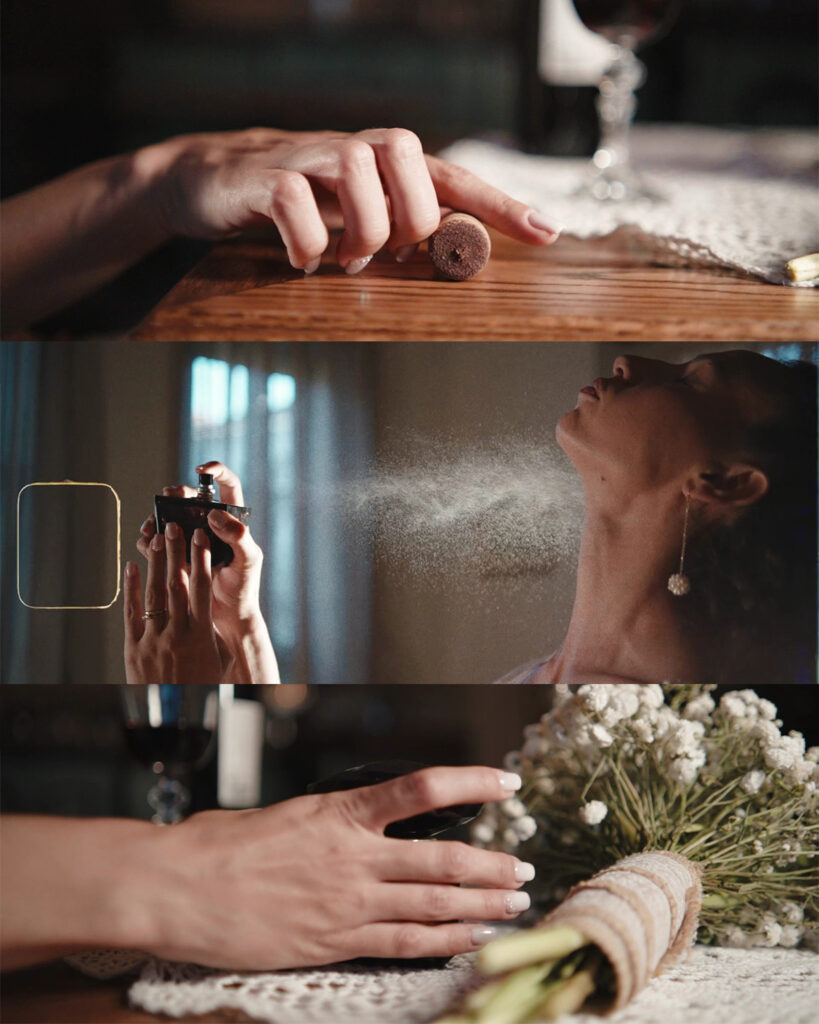
The last hug before the ceremony. A parent’s voice breaking during a toast. The breath you take just before walking down the aisle. These are the moments wedding film editing is built to protect – not as a chronological record of what happened, but as a way to return to how it felt.
A wedding day moves quickly, even when you have spent months planning every detail. You will remember pieces of it vividly, while other moments may blur together. Thoughtful editing gives those fragments a shape. It brings the quiet, joyful, funny, and deeply emotional parts of the day into one cinematic memory that still feels true years later.
What Wedding Film Editing Really Does
Editing begins after the cameras are packed away, but it is where the emotional identity of your film takes form. It is more than selecting attractive shots and placing them beside a song. A finished wedding film needs rhythm, intention, and an understanding of which moments carry the story forward.
The editor reviews the day with fresh eyes: the anticipation while getting ready, the way your people looked at you, the atmosphere of the venue, and the unscripted reactions that could never be recreated. From hours of footage, those details are shaped into a film that feels personal rather than formulaic.
That distinction matters. Event coverage can show that a wedding occurred. A carefully edited film can make you feel present inside it again.
Story comes before sequence
Most wedding days follow a familiar timeline. Preparations lead to the ceremony, the ceremony leads to portraits and celebrations, and the evening ends on the dance floor. But the most moving films are not assembled simply by following the clock.
A meaningful line from a vow may begin the story before the ceremony appears on screen. A toast from a sibling might reveal something about your relationship that changes how viewers see a quiet exchange later in the day. Audio can connect two separate moments and give the film a sense of emotional movement.
This does not mean your film should feel disconnected from the day you lived. It means the structure serves the feeling of the story. The result is often more honest than a minute-by-minute replay because it gives the most meaningful moments room to breathe.
The power of real sound
Music sets a tone, but authentic sound gives a wedding film its heartbeat. The tremble in a voice during personal vows, applause after a ceremony kiss, laughter in a crowded reception room, and the ambient hush before you walk down the aisle all carry a kind of memory that images alone cannot hold.
Professional sound design balances these layers so dialogue remains clear and the world around it feels alive. This work is subtle when it is done well. You may not notice every transition or sound adjustment, but you will feel the difference when a film pulls you into the room.
For this reason, couples should think about audio as carefully as they think about visuals. If your vows, readings, and speeches matter to you, they should have a meaningful place in the finished film. They are not background material. They are often the language of the story.
The Craft Behind a Timeless Wedding Film Edit
A cinematic look is never one single decision. It is the result of hundreds of considered choices, from the length of a glance to the warmth of a sunset scene. Wedding film editing should feel polished without calling attention to itself. The goal is not to chase a passing social media style. It is to make the film feel beautiful now and emotionally relevant decades from now.
Pacing creates emotional space
Fast edits can bring energy to a reception entrance or a full dance floor. Slower pacing can make room for a father seeing his child dressed for the ceremony, a hand being held during a private prayer, or the few quiet minutes you share after the ceremony.
A strong editor understands that both tempos belong in a wedding film. If every shot moves quickly, the film can feel like a highlight reel without emotional depth. If every scene lingers, it can lose momentum. The balance depends on your day, your personalities, and the material that naturally unfolds.
This is also why the best films do not force every wedding into the same mold. A city celebration in New York City may carry a different energy than an intimate gathering in the Hudson Valley or the Catskills. The edit should reflect the day itself, not impose a trend on it.
Color preserves the atmosphere
Color grading helps a wedding film hold together visually, even when the day moves from a sunlit suite to a candlelit reception. It refines skin tones, balances changing light, and gives the final film a cohesive visual language.
The trade-off is restraint. Heavy filters can make a film look dramatic for a moment, then dated remarkably fast. Timeless color treatment honors the atmosphere you chose: the softness of a garden, the elegance of a ballroom, the depth of an evening celebration. It should enhance what was there, not turn your wedding into something it was not.
Details become part of the memory
Flowers, stationery, heirloom jewelry, an empty ceremony space before guests arrive, and hands adjusting a veil may seem like small visual moments. In the edit, they create texture and context. They remind you of the care that surrounded the day while giving the larger emotional scenes a place to land.
Still, beautiful details should never outweigh the people. The most lasting images are usually relational: your partner’s expression when they see you, a grandparent’s embrace, friends losing themselves on the dance floor. Details enrich the story. Human connection is the story.
Highlight Films and Full Edits Serve Different Purposes
Couples often ask whether they need a short highlight film, a full ceremony edit, or both. The answer depends on how you want to revisit your wedding.
A highlight film is an emotionally condensed story. It is made to be watched often, shared with loved ones, and experienced as a complete cinematic piece. It can preserve the emotional arc of the day in a relatively short runtime, using the strongest images and audio to create a lasting impression.
A full ceremony edit serves another essential purpose. It allows you to watch your vows, readings, music, and ceremony moments in their natural order. The same is true for full speeches or a documentary-style edit of key events. These longer films may be less compressed, but they preserve context that matters deeply over time.
There is no need to choose between artistry and documentation when your collection is designed with both in mind. A highlight film can hold the feeling of the day, while full edits protect the moments you may want to revisit exactly as they happened.
How to Know an Editing Style Is Right for You
When you watch wedding films, pay attention to your own response. Do the people on screen seem relaxed and present? Does the music support the real emotion, or overpower it? Can you hear meaningful words clearly? Does the color feel natural and enduring?
Also look for variety. A portfolio should show more than beautiful venues and dramatic portraits. It should reveal how the filmmaker handles changing weather, dark reception spaces, energetic families, quiet couples, and emotional ceremonies. Consistency is valuable, but every film should still feel like it belongs to the people in it.
At Creative Weddings, the edit is treated as the final act of care for an irreplaceable day. Footage becomes a film through patient storytelling, intentional sound, refined color, and a commitment to what was real.
Your wedding film does not need to capture every second to hold what matters most. It needs to recognize the seconds that changed everything. Choose an editing approach that lets those moments remain vivid, honest, and close whenever you press play.