
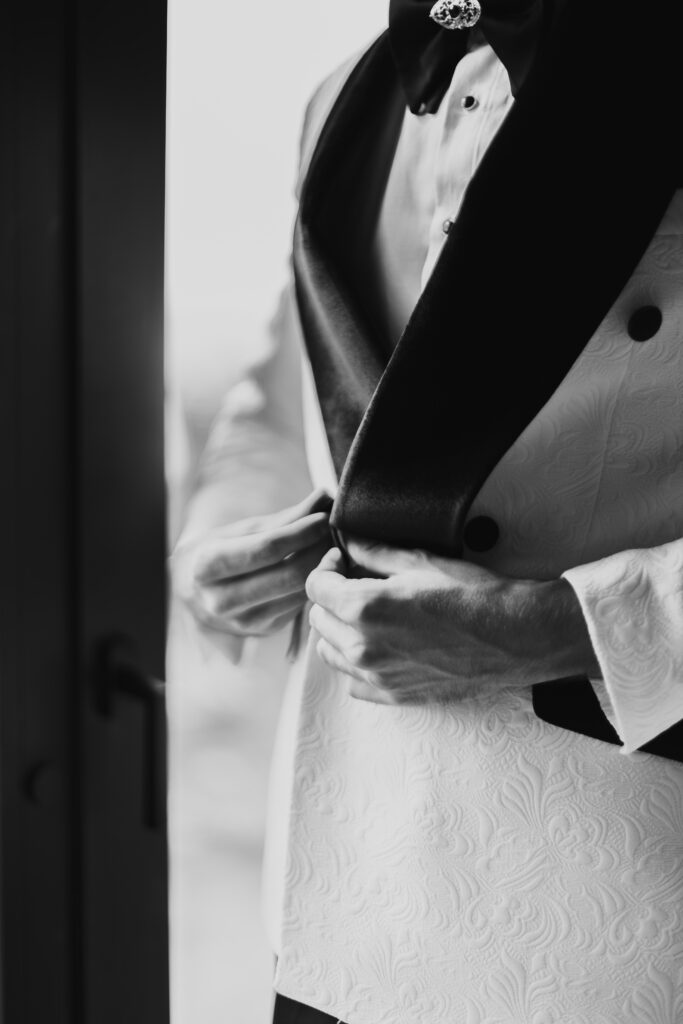
The moment your partner reaches for your hand during the ceremony may last only a second. Your grandmother’s laugh during dinner, the nervous breath before the doors open, the way your friends fill the dance floor at the end of the night – these are the moments that give a wedding its emotional shape. Documentary wedding videography is made to preserve them as they naturally unfold.
Rather than directing every interaction or building the day around the camera, this approach pays close attention to what is already happening. It leaves room for real reactions, unscripted humor, imperfect happy tears, and the words that matter most. The finished film is not simply evidence that the day happened. It is a cinematic memory of how it felt to be there.
What Is Documentary Wedding Videography?
Documentary wedding videography is a storytelling approach centered on observation. A filmmaker follows the rhythm of the day, looking for genuine connection instead of manufacturing it. The goal is not to turn your wedding into a production. It is to capture the beauty, energy, and meaning already present within it.
That does not mean the footage is unpolished or accidental. The strongest documentary films require careful preparation, thoughtful camera placement, refined composition, and a calm awareness of what may happen next. A filmmaker has to anticipate the father seeing his daughter before the ceremony, a friend’s reaction during a toast, or the quiet pause between a couple just after they are married.
Afterward, those moments are shaped through intentional editing, color grading, music, and sound design. The documentary foundation stays intact, but the final film has the pacing and visual care of cinema. Your day remains yours, only seen with greater clarity and feeling.
The Difference Between Documentary and Traditional Wedding Video
Traditional wedding coverage often prioritizes complete documentation: the ceremony from start to finish, formal introductions, speeches, first dances, and key reception events. These recordings are valuable, especially for the parts of the day you may not fully remember. A full ceremony edit can become one of the most meaningful films you own.
Documentary storytelling adds another layer. It asks not only what happened, but why the moment mattered. It may pair the sound of your vows with images from the morning, the anticipation before the ceremony, or a quiet portrait at sunset. A toast might become the emotional thread that carries the film from one part of the day to the next.
The distinction is not always absolute. Many couples want both a cinematic highlight film and complete edits of their ceremony and speeches. That combination offers the best of both worlds: a shorter film you will return to often, plus the full voices, promises, and memories that deserve to be preserved in their entirety.
Real Does Not Mean Unplanned
A documentary approach works best when there is enough structure to let the day breathe. A thoughtful timeline gives you space for meaningful moments without making every minute feel scheduled. It also gives your filmmaking team time to document details, transitions, and the natural interactions that happen between major events.
This is especially important during getting-ready hours. Rushing from makeup to a first look to transportation can leave little room for the small moments that later become unexpectedly precious: a parent fastening a button, a handwritten note being read aloud, a wedding party sharing a quiet toast, or a final look in the mirror before the day begins.
You do not need to perform for the camera. In fact, the most enduring footage usually comes when couples stop thinking about being filmed. A skilled videographer may offer gentle guidance when it helps with light or logistics, then step back when the emotion belongs to you and the people around you.
Sound Is Where the Emotion Lives
A beautiful image can bring you back to a place. A familiar voice can bring you back to a person.
That is why professional audio is central to documentary wedding videography. The sound of your vows, your partner’s voice during a private letter, a parent’s toast, and the room erupting in applause all add a dimension that photographs cannot provide. Years later, these recordings may carry even more weight than they did on the wedding day.
Capturing clean sound requires preparation. Microphones must be placed discreetly, recorders monitored, and backup plans considered for changing weather, loud venues, or unexpected technical issues. The work is largely invisible, but it shapes the entire film. When authentic audio is woven into the edit, the story becomes personal rather than generic.
Music still has an important role. It sets pace and atmosphere, but it should never overpower the people whose story is being told. The most moving wedding films make room for both: a cinematic musical rise and the unrepeatable words spoken by the people you love.
What a Documentary Film Notices That You May Miss
Your wedding day moves quickly because you are at the center of it. You may not see your guests arriving, your partner waiting before the ceremony, or your sibling wiping away tears during your vows. You may not hear every toast from the far side of the room or notice the small gestures unfolding while you greet family and friends.
A documentary filmmaker is there to preserve the wider emotional landscape. That includes the visual details you chose with care, but it also includes the human details no one can plan. A child asleep on a parent’s shoulder. A friend adjusting your veil. A relative holding hands during the ceremony. The sudden, joyful chaos of a packed dance floor.
These scenes are not filler. They create context. They show who was there, how they loved you, and what the day felt like beyond its formal milestones.
Choosing the Right Documentary Wedding Videographer
Style matters, but trust matters just as much. Look beyond a single dramatic trailer and spend time with full wedding films. A highlight film can show visual beauty, while longer films reveal whether a filmmaker can sustain a story, handle ceremony audio, and capture the people who make each celebration distinct.
Pay attention to whether the work feels emotionally specific. Do the films rely on the same poses and editing rhythms, or do they reflect each couple’s personality, venue, relationships, and energy? Timeless filmmaking should not mean every wedding looks identical. It means the visual treatment feels considered without being tied to a passing trend.
It is also worth asking how the team works on the day. Some couples want a nearly invisible presence. Others are comfortable with a little more direction during portraits if it creates space for beautiful imagery. There is no single right answer. The right fit is a team that understands your comfort level and knows when to lead, when to observe, and when to protect a private moment.
For couples celebrating in the Hudson Valley, Saratoga Springs, Albany, or across the Northeast, the landscape can become a powerful part of the story. But a sweeping view only matters when it supports the people within the frame. At Creative Films, the intention is always the same: create images of real beauty without losing the truth of the moment.
Why This Kind of Film Grows More Valuable With Time
Wedding films are often watched first in the days after the celebration, when the details are still vivid and the excitement is still close. But their deeper value appears over time.
Years later, you may notice the way your parent looked at you during the ceremony. You may hear the voice of someone who is no longer in the room. You may share the film with children, nieces, nephews, or friends who were not there. The footage becomes more than a record of decor, fashion, and tradition. It becomes a living piece of your family history.
That is why authenticity matters. Trend-driven edits can be exciting in the moment, but a film built around honest emotion has a longer life. It does not need to force a feeling because the feeling was already there.
When you plan your wedding, give yourselves permission to be present. Hold hands a little longer. Listen when people speak. Let the schedule leave room for conversation, laughter, and a breath between events. The camera can capture what unfolds, but the most meaningful scenes begin with the two of you fully living them.
[…] real wedding film is guided by observation. The camera is present, attentive, and respectful of the life unfolding around it. That does not […]