
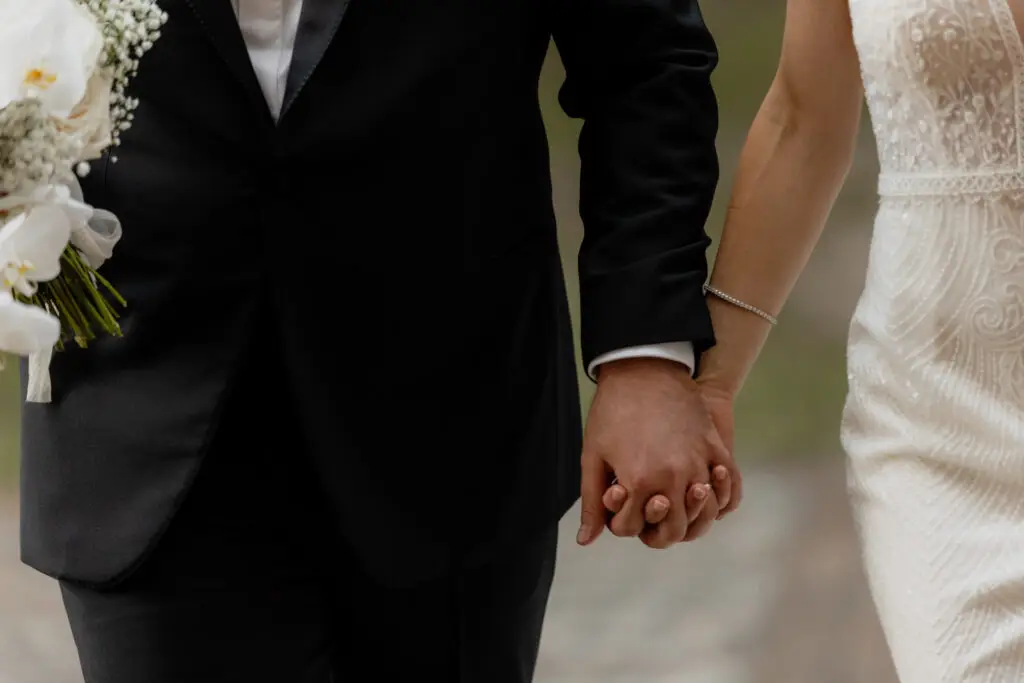
A wedding film becomes personal in the moments no one announces: your father taking a breath before the first look, friends laughing during a quiet pause at dinner, a hand reaching for yours as the music begins. Knowing how to capture candid wedding moments on video is not about filming every second. It is about creating enough space for real life to unfold, then being present when it does.
The most moving footage rarely comes from asking people to perform. It comes from a filmmaking approach that watches closely, listens carefully, and understands that the day has its own rhythm. For couples, a few thoughtful choices can make those honest moments easier to preserve.
Candid Does Not Mean Unplanned
There is a common misconception that candid wedding video requires a completely hands-off approach. In reality, the best candid moments often happen because the day has been planned with care. A calm timeline, room to breathe, and a team that knows where to be create the conditions for genuine emotion.
Think of it this way: no one needs to be told when to cry during a parent’s toast or laugh with lifelong friends on the dance floor. But if portraits run late, family photos feel rushed, and dinner is squeezed into a few minutes, there is less room for those small interactions to happen naturally.
A thoughtful videographer may offer light guidance when it serves the story. They might ask you to stand near a window while you read a letter, encourage you to slow down before a first look, or place you in beautiful light for a quiet walk together. The goal is never to manufacture emotion. It is to remove distractions so your real connection can take center stage.
Build a Wedding Day With Breathing Room
The strongest films often begin with a timeline that does not treat every minute as interchangeable. Build in short pockets of unstructured time, especially during the morning preparations, after the ceremony, and before the reception becomes busy.
Getting ready is one of the richest parts of the day for natural footage, but it can become chaotic quickly. If possible, choose a getting-ready space with natural light and enough room for the people closest to you. Keep the room as uncluttered as you reasonably can, and have meaningful details – invitations, heirlooms, rings, attire, letters – gathered in one place before the team arrives. These preparations give the morning a sense of calm without making it feel staged.
Leave more time than you think you need for getting dressed. The buttoning of a dress, a parent adjusting a veil, a friend fastening cufflinks, or a private exchange between siblings can become some of the most enduring scenes in a film. Those moments disappear when everyone is racing toward the door.
The same principle applies after the ceremony. A few uninterrupted minutes together can be more valuable than another tightly scheduled activity. You have just made a promise in front of everyone you love. Let yourselves feel it. Walk somewhere quiet, hold hands, laugh about what just happened. A skilled filmmaker can capture that transition without turning it into a performance.
Consider a First Look for More Private Emotion
A first look is not right for every couple. Some people deeply value seeing each other for the first time at the ceremony, and that anticipation can create an extraordinary emotional moment. There is no single correct choice.
But for couples who want additional time together and a quieter setting for genuine reactions, a first look can be meaningful. It gives you a chance to speak, hug, and settle into the day before the ceremony begins. It can also create more flexibility in the timeline, which means less rushing later.
What matters is choosing the option that feels true to you, not following a trend. Authenticity begins with decisions that honor your relationship.
Choose a Filmmaker You Can Forget Is There
Trust changes the footage. When you feel comfortable with your videographer, you stop monitoring your expressions, wondering where to look, or trying to make every interaction camera-ready. You simply return to the people in front of you.
That comfort begins before the wedding. Share what matters to you: the relatives you want remembered, the friend who has known you since childhood, the family tradition that may not be obvious to an outsider. Mention whether one of you is nervous on camera, whether you prefer minimal direction, or whether there are private moments you would rather keep private.
A filmmaker should also understand the difference between being observant and being intrusive. During an emotional exchange, a quiet presence often matters more than a close lens. During a lively reception, moving with the energy of the room may be the better choice. The approach depends on the moment.
At Creative Weddings, the aim is to document the day as it feels, not interrupt it for the sake of coverage. That balance allows a wedding film to hold both visual beauty and emotional truth.
Let the Important People Be Themselves
Some of the most candid wedding moments on video belong to the people around you. Your wedding party helping you get ready, grandparents watching the ceremony, children dancing without self-consciousness, and friends telling stories at the reception all add dimension to your film.
You do not need to assign people roles or ask them to create moments for the camera. Instead, give your filmmaker a little context ahead of time. If your grandmother made part of your attire, if a sibling is officiating, or if a particular group of friends has traveled across the country to be there, those details help the team recognize significance as it unfolds.
During the reception, resist the urge to spend the entire night moving through a checklist of photos, greetings, and obligations. Be present with your guests. Stay for the full song when someone pulls you onto the dance floor. Let your friends make you laugh. Take a moment to watch the room from the edge of the crowd. These are not filler scenes. They are the texture of the celebration.
Preserve the Sound, Not Just the Picture
Video has a power photography cannot replicate: it brings back voices. Years from now, the tremble in a vow, the break in a parent’s voice, or the room erupting after a toast may return you to the day more quickly than any image alone.
That is why clear audio is central to candid storytelling. Your vows, readings, toasts, and personal letters deserve thoughtful recording. Ask your venue and officiant about microphone options in advance, especially for outdoor ceremonies or large spaces. Wind, traffic, fountains, and crowded rooms all affect sound, but preparation makes a significant difference.
Personal letters can be especially powerful in a film. If you are exchanging them, consider reading them aloud in a quiet moment rather than only handing them over. You do not need to read perfectly. A pause, a laugh, or an emotional breath is part of what makes the recording feel alive.
Do Not Rush the Toasts
Toasts are often where a wedding film finds its emotional thread. They reveal the stories behind the day: how you met, what you have overcome, what the people closest to you see in your love.
Give speakers a reliable microphone and ask them to stay near it. If your venue permits, keep background music low during speeches. Most importantly, allow room for the reaction after the words are spoken. The glance between you and your partner, a parent wiping away tears, or a table full of laughter can be as meaningful as the toast itself.
Be Present Instead of Performing
The camera will notice when you are trying to create a moment. It will also notice when you are completely absorbed in one.
You do not have to look into the lens or maintain a certain expression. Forget the idea that you need to appear composed all day. Tears are welcome. So is loud laughter, nervous energy, imperfect hair, and the kind of joy that makes a timeline briefly irrelevant.
There may be moments when your filmmaker asks for a few minutes of portraits or a short walk at sunset. Treat that time as a pause together rather than another task. Talk to each other. Hold hands. Notice where you are. When the direction is simple and the connection is real, the footage retains its natural feeling.
Make Space for One Quiet Moment Together
Before the evening ends, step away together for five minutes. It might be outside the reception, in an empty hallway, or at the edge of the dance floor where you can still hear the celebration. There is no need to say anything profound.
Look at each other. Take in the fact that everyone you love gathered for this one day. A wedding moves quickly, but a quiet moment gives you a chance to feel its weight while it is still happening. For a film, it can become a beautiful final note. For you, it may become the moment you remember most clearly.
[…] philosophy also changes how a wedding day feels. Couples who value candid storytelling are often relieved to know they do not need to act like they are in a commercial. You can be […]
[…] and the small moments before they begin. A second camera can stay with the couple, because their reactions often become the heart of the scene. A glance shared between newlyweds, a tear quickly brushed […]